Important note
This content is for informational purposes only and is not medical advice. Always verify labels, ingredients, and cross-contact risk for your family's needs.
Iron and calcium get all the attention in children's nutrition, but zinc quietly does some of the most important work - supporting immune function, growth, wound healing, and even the sense of taste and smell. That last connection is more important than most parents realize: research suggests zinc deficiency may contribute to picky eating in children.
Disclaimer: This article is for informational purposes only. Do not supplement zinc without guidance from a pediatrician, as excess zinc can interfere with copper absorption.
What Does Zinc Actually Do?
- Immunity: Zinc is essential for the development and function of immune cells. Studies show that even mild zinc deficiency increases susceptibility to infections - particularly respiratory and gastrointestinal illnesses.
- Growth: Zinc is involved in cell division and DNA synthesis, making it critical during periods of rapid growth.
- Taste and smell: This is the picky eating connection. Zinc is required to produce gustin, a protein needed for normal taste bud function. Research suggests zinc-deficient children experience reduced taste acuity - food tastes bland, which may make them appear "picky."
- Wound healing: Zinc supports skin repair and inflammation regulation.
How Much Zinc Do Kids Need? (RDA)
- Ages 1–3: 3 mg/day
- Ages 4–8: 5 mg/day
- Ages 9–13: 8 mg/day
- Ages 14–18: 9–11 mg/day
Best Food Sources of Zinc
Meat (Especially Beef) - 4–5 mg per 3 oz
Red meat is one of the most bioavailable sources of zinc. A small portion of minced beef or a beef patty provides more than half the daily requirement for young children. The zinc in meat is much better absorbed than from plant foods.
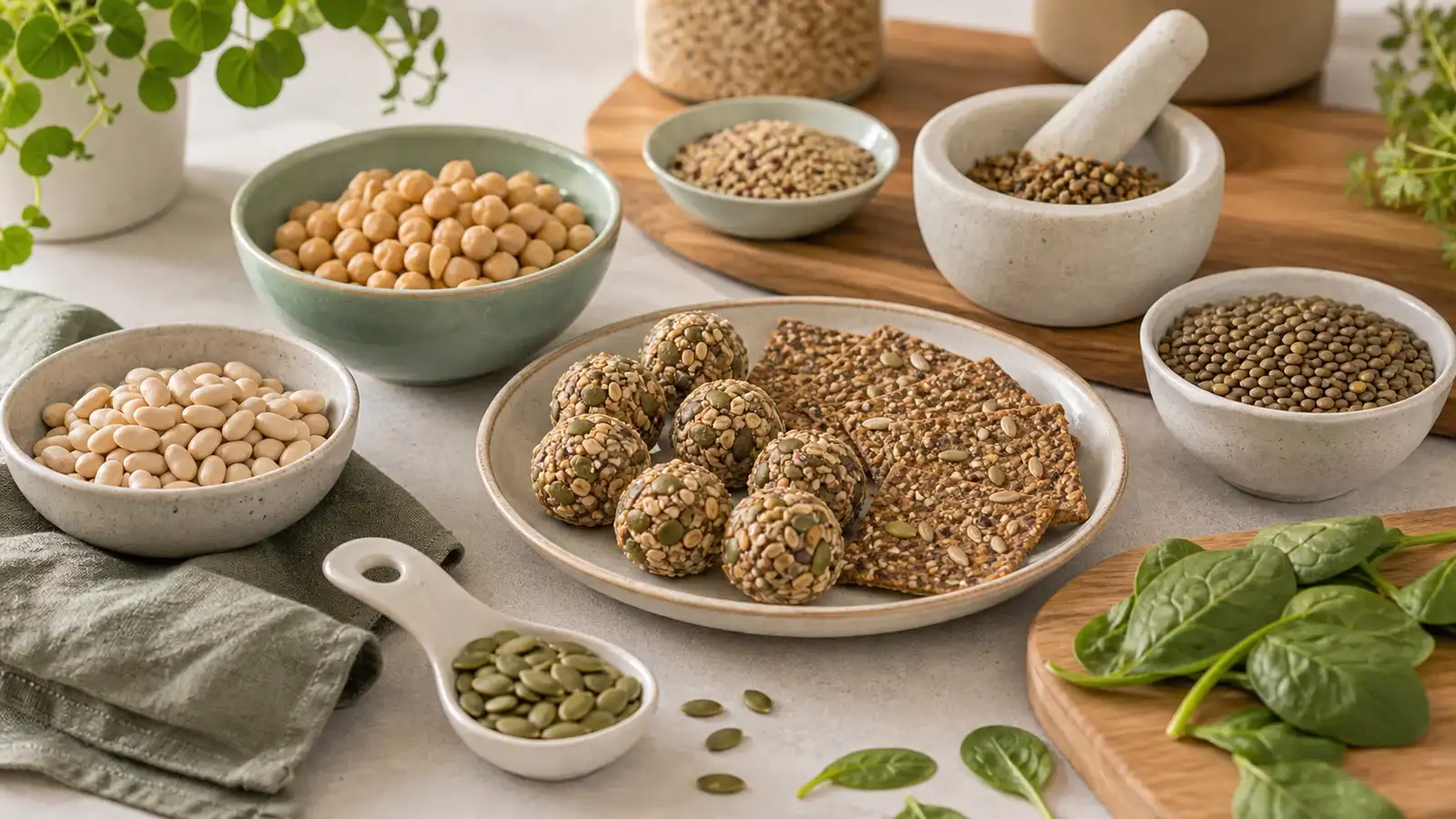
Pumpkin Seeds - 2.2 mg per ounce
One of the best plant-based zinc sources - naturally nut-free and safe for most allergy environments. Snack on them plain, add to granola, or grind into baked goods.
Chickpeas - 1.3 mg per half cup cooked
A staple of allergy-friendly cooking. Chickpeas in hummus, curries, roasted as a snack, or blended into soups provide a meaningful zinc contribution.
Tahini (Sesame Paste) - 0.7 mg per tablespoon
Another Israeli kitchen staple. Used regularly as a sauce or dip, tahini contributes zinc alongside calcium and healthy fats.
Cashews - 1.6 mg per ounce
Important note: Cashews are tree nuts and a common allergen. Only include if your child has no tree nut allergy. For allergic children, pumpkin seeds are the better swap.
Chicken - 1 mg per 3 oz
Lower in zinc than red meat but still a useful source, especially for children who eat poultry frequently.
Lentils - 1.3 mg per half cup cooked
Versatile, mild, and easy to use in soups, stews, and sauces. A good plant-based zinc source for non-meat-eating families.
Zinc Absorption Tip
Plant-based zinc is harder to absorb than animal-sourced zinc because of phytates - compounds in grains and legumes that bind to zinc and reduce absorption. To improve absorption: soak and sprout legumes before cooking, include a source of vitamin C with zinc-rich plant foods, and vary the food sources.
The Picky Eater Connection
Research suggests that zinc deficiency dulls the sense of taste, making food seem flavorless. This may create a cycle: low zinc → food tastes bland → child eats less variety → zinc intake stays low. If your child is a persistent picky eater with poor appetite, it may be worth discussing zinc status with your pediatrician.
--- **Disclaimer:** This guide is for informational purposes only and does not constitute medical or nutritional advice. Allergen information is a general guide only - cross-contamination in home kitchens cannot be guaranteed. Always consult a qualified allergist or healthcare provider before dietary changes. pashutFree is not liable for adverse health events resulting from use of this content.Frequently asked questions
Can zinc deficiency cause picky eating in children?
Research suggests a link - zinc is needed to produce gustin, a protein essential for normal taste perception. Studies show zinc-deficient children experience reduced taste sensitivity, which may cause food to seem bland and lead to restricted eating. Improving zinc intake has been observed to improve appetite and taste acuity in some zinc-deficient children. Consult a pediatrician before supplementing.
What are the best zinc-rich foods for children who don't eat meat?
For meat-free children, the best zinc sources are pumpkin seeds (2.2 mg/oz), chickpeas (1.3 mg per half cup), tahini, lentils, and fortified cereals. Plant-based zinc absorbs less efficiently due to phytates, so variety and adequate intake are important. Soaking legumes before cooking and eating vitamin C alongside zinc-rich foods can improve absorption.