almond flour gluten-free baking
Almond Flour
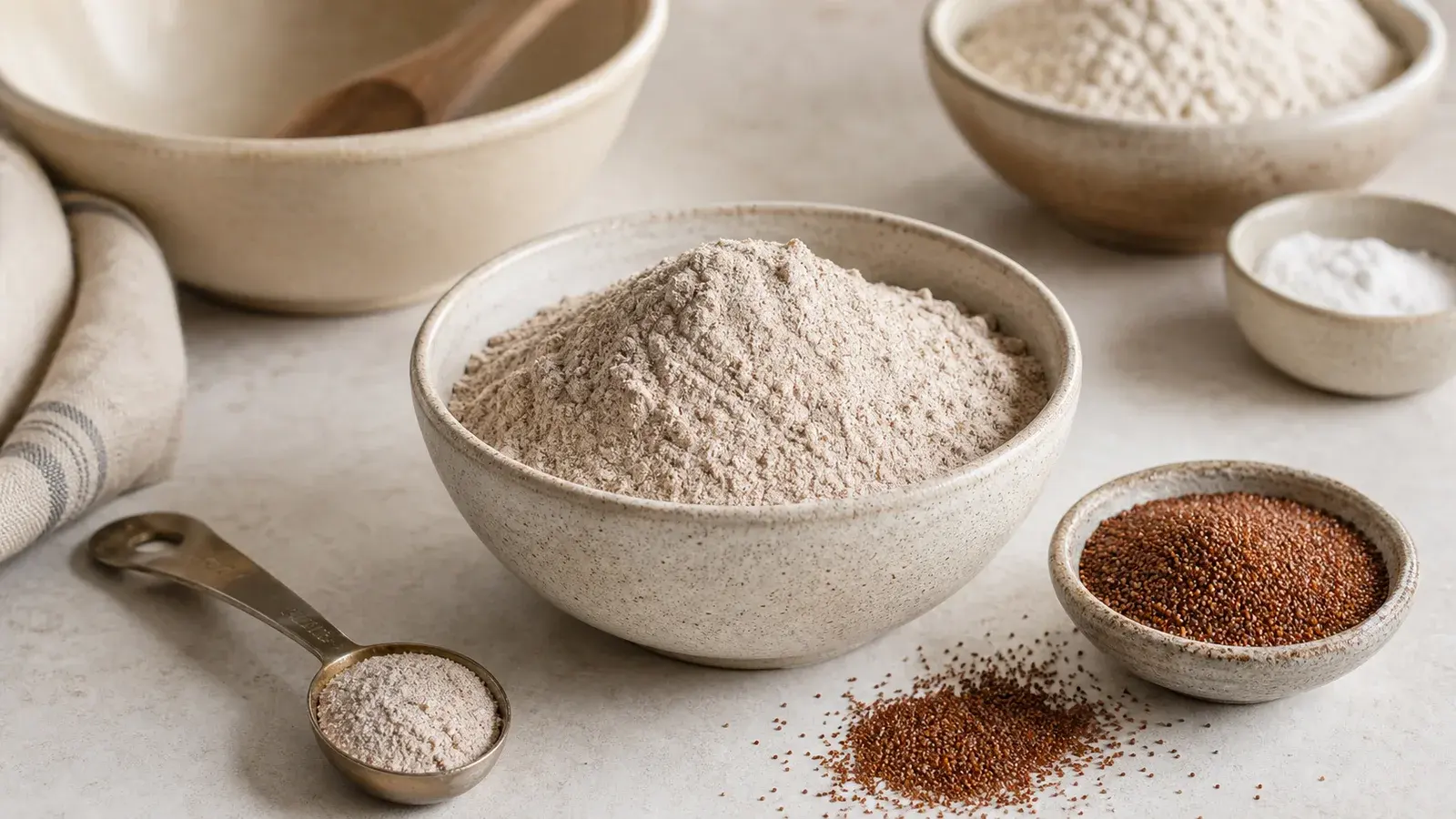
Almond flour is made from blanched whole almonds (almonds with their skins removed) that are finely ground into a pale, off-white flour with a slightly oily texture. It should not be confused with almond meal, which is made from whole unblanced almonds and produces a coarser, darker, oilier product with visible skin flecks — though the terms are sometimes used interchangeably in recipes. Almond flour is naturally gluten-free, grain-free, and very low in carbohydrates, making it a mainstay ingredient for GF, Paleo, and ketogenic diets. It provides meaningful amounts of protein (about 21% by weight), healthy monounsaturated fats, vitamin E, magnesium, and fibre. These properties make baked goods made with almond flour more nutritionally dense than those made with most starch-based GF flours. Baked goods made with almond flour tend to be moister, denser, and more delicate than their wheat-flour counterparts — they can be fragile while hot and firm up significantly as they cool. This means cooling completely before cutting is more important than with wheat-based baking. Almond flour also browns quickly due to its natural sugars and fat content, so oven temperatures are often reduced by about 25°F (15°C).
What is it?
Almond flour is the product of finely grinding blanched almonds. Commercially produced almond flour is typically made from sweet almonds (Prunus dulcis) and is available in two main textures: super-fine (ideal for delicate baked goods like macarons) and regular fine-grind (suitable for most baking). The fat content is approximately 50% of its total weight — this is what gives almond-flour baked goods their characteristic richness and also why they brown faster. Unlike grain-based GF flours, almond flour contributes its own binding properties via its natural protein and fat. In many recipes (especially dense bakes like cookies and muffins), almond flour works well with just eggs and no additional binder. For lighter applications like cakes or breads, a binder such as psyllium husk or a small amount of tapioca starch improves structure.
How to use
- Cookies: Almond flour produces excellent cookies — chewy, slightly crisp-edged, and rich. Use in most cookie recipes as a direct substitute for GF flour blends. - Cakes: Use in combination with tapioca starch (about 80% almond + 20% tapioca) for a lighter crumb. Reduce oven temperature by 25°F (15°C). - Muffins and quick breads: Works beautifully; reduces baking time — check doneness 5 minutes early. - Pancakes: Blend with a bit of tapioca starch for fluffier results. Almond-only pancakes can be fragile. - Crusts and coatings: Almond flour makes a rich, golden crust for proteins and vegetables. - Macarons: Super-fine almond flour is essential for traditional French macarons. - Standard conversion: Use 1:1 for most recipes adapted from GF flour blends, but be aware that moisture and fat content will differ. Start with slightly less almond flour when adapting from rice-flour-based recipes.
Substitutes
| Substitute | Ratio | Notes |
|---|---|---|
| Sunflower seed flour | 1:1 | Nut-free alternative; can turn green in baked goods due to pH reaction |
| Tigernut flour | 1:1 | Nut-free and grain-free; slightly sweeter |
| Oat flour (certified GF) | ¾ cup oat per 1 cup almond | Lower fat; adjust moisture; not nut-free nor grain-free |
| Coconut flour | ¼ cup coconut per 1 cup almond | Very different behavior; needs extra eggs and liquid |
| Cashew flour | 1:1 | Similar texture and richness; also a tree nut |
Safety notes
⚠️ Tree Nut Allergy — CRITICAL: Almonds are tree nuts and are one of the major food allergens. Almond flour is not safe for anyone with an almond, tree nut, or mixed nut allergy. This is a potentially life-threatening consideration. For nut-free GF baking, use sunflower seed flour, tigernut flour (note: tigernut is actually a tuber, not a nut), or certified GF oat flour. ⚠️ Cross-contamination: Even certified GF almond flour may be processed in facilities that handle other tree nuts. If you have multiple nut allergies, check the label carefully for allergen facility statements. ⚠️ High in Oxalates: Almonds are high in oxalates. Individuals with a history of kidney stones (particularly calcium oxalate stones) should consume almond flour in moderation and seek medical advice. ⚠️ High in Calories and Fat: While the fats in almond flour are predominantly heart-healthy monounsaturated fats, almond flour is calorie-dense (about 640 kcal per 100g). Portion awareness is important for those monitoring caloric intake. UK label check (Food Standards Agency): Almonds are one of the 14 allergens regulated in the UK and must be emphasised in a prepacked food's ingredients list. Read the full pack every time and assess cross-contact according to your own needs; no label wording is a medical guarantee.
Where to buy
UK buying guide: Search for “almond flour or finely ground blanched almonds”. Check the free-from or home-baking sections of major UK supermarkets such as Tesco, Sainsbury's, Waitrose, Morrisons and Ocado. Less common flours and binders may be easier to find through specialist retailers such as Holland & Barrett, Planet Organic, Grape Tree or Real Foods; relevant South Asian or East Asian food shops may use a different product name. Availability and formulations change. Before buying, read the complete ingredients list, any emphasised allergens and any specific ‘may contain’ statement; do not rely on an old pack or a retailer category alone.
Some product links may be affiliate links when a valid partner ID is configured. Always verify ingredients and labels before buying.
Storage
Store almond flour in an airtight container in the fridge for up to 6 months or in the freezer for up to 12 months. Due to its high fat content, almond flour can turn rancid at room temperature — especially in warm climates. Room-temperature storage is acceptable for up to 2–3 months in cool conditions, but refrigeration is strongly recommended. Smell before using: rancid almond flour has a bitter, paint-like odour.
FAQ
What is the difference between almond flour and almond meal?
Almond flour is made from blanched almonds (skins removed) and is finely ground — it is lighter in colour and smoother in texture. Almond meal is made from whole almonds with the skins on and has a coarser, darker texture. Almond flour produces better results in most baked goods; almond meal can be substituted in dense, rustic bakes but not in delicate ones like macarons.
Does almond flour work as a 1:1 substitute for all-purpose wheat flour?
Not directly. Almond flour behaves very differently from wheat flour due to its fat content and absence of gluten. Use it in recipes specifically designed for almond flour, or when adapting recipes, expect to adjust liquid, binder, and baking time. It generally cannot replace wheat flour in yeasted bread recipes.
Why does my almond flour baking brown so quickly?
Almond flour's high fat and natural sugar content causes accelerated browning. Reduce your oven temperature by 25°F (15°C) and tent the baked goods with foil if they brown before the interior is cooked through. Silicone baking mats or parchment also reduce browning on the bottom.
Is almond flour keto-friendly?
Yes. Almond flour is one of the most popular keto baking ingredients because of its very low net carbohydrate content (about 6g net carbs per 100g) and high fat and protein content. It is well-suited to ketogenic and low-carb diets.
Can I make my own almond flour at home?
Yes. Blanch almonds (drop into boiling water briefly, then slip off the skins), dry completely, then pulse in a food processor in short bursts until fine. Stop before it becomes almond butter. Spread on a tray and dry in a low oven if needed. Home-ground almond flour tends to be slightly coarser than commercial versions; sift before use for finer baking.